Reading Now: the published books behind this guide’s menu advice
These are the published books I would point a reader to when a menu raises a question they want to understand properly. Each one is named with its authors and title, and each answers a different kind of question that a pizza or barbecue menu leaves open. None of them is a ranking, and none of them names a business in the Salem area. Read them for the method and the reasoning rather than for a list of places to eat. Where a book gives a specific temperature or time, treat it as a starting point to check against a trusted source.
Why these three and not more
I chose works that explain the cooking rather than lists of places to eat. A book on this subject can go out of date on equipment and on prices, so I treat the method and its reasons as the lasting part. The exact temperatures and times are the part most likely to change, and they are the part a reader should check. Each title below is chosen for what it explains, not for how well it is reviewed. No passage from any of them is quoted on this page, and each description is a summary in my own words.
Reading a menu in three passes
Start with the fire
Franklin Barbecue: A Meat-Smoking Manifesto, by Aaron Franklin and Jordan Mackay, explains how a pitmaster manages a wood fire across a long cook. The book covers the smoker and the meat as well as the fire, which is useful when a menu says only smoked. What I take from it is that a smoked dish describes hours of fire control as well as flavour. So a reader can ask how long the meat was cooked and how the heat was kept steady. That question tells you more about the plate than the word on the board does.
Then check the dough
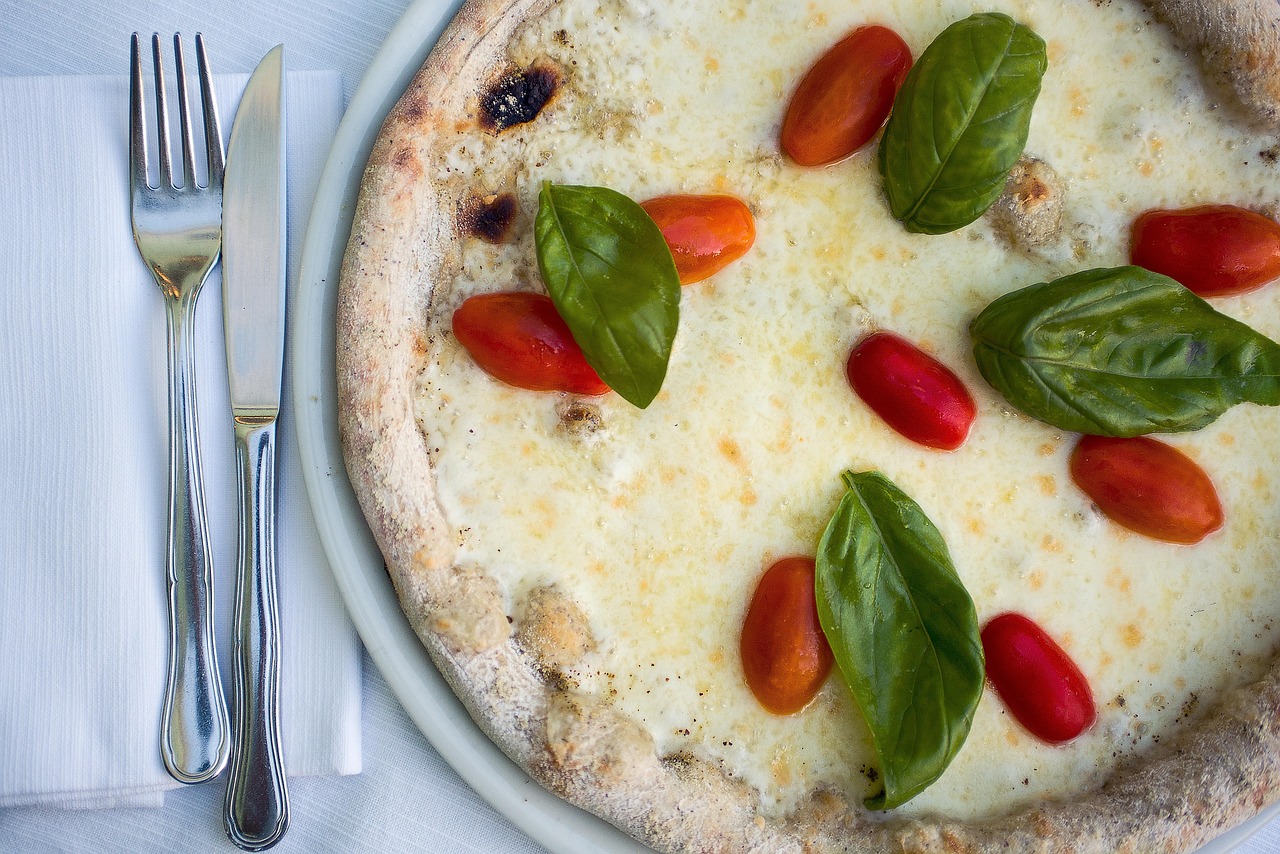
Modernist Pizza, by Nathan Myhrvold and Francisco Migoya, works through dough, fermentation and oven heat in considerable detail. It is long, and a reader does not need all of it to follow a menu. What I take from it is that a wood-fired label on its own does not settle what the crust will be like. The fermentation, the flour and the heat of the oven all change the bubbles, the chew and the char. So when a menu names the oven but says nothing about the dough, the question to ask is how the dough was made.
Finish with the reasons
The Food Lab: Better Home Cooking Through Science, by J. Kenji López-Alt, explains why a technique changes the result on the plate. Its method is to test one change at a time, and that habit is the one to bring to a menu. A dish that tastes different from another often differs in more than one way, and a menu rarely says which. What I take from it is to ask which change made the difference you taste. The answer tells you whether the kitchen’s choice is one you will like.
Where to go once the books are open
Keep the menu beside the book when you read. Pick one word on the menu and find which of the three passes it belongs to. Check the explanation against the words around the word on the menu, because a single term rarely tells the whole story. A word you cannot place is exactly what the Tip Line is for, and a term explained there can join the glossary on Start Here. Go back to the book only once you know which question you are trying to answer.
What this guide does not count
This guide gives no figures yet. None of the sources it names has been checked for a number to quote here, so this page states none.
- Figures
- None shown yet: no figure on this guide has been sourced to a named outside body.