Our Beat: Wood-Fired Pizza and Barbecue in Southern New Hampshire
This page explains what this site covers, who writes it and what it leaves out. The subject is the wood-fired pizza and barbecue food that people in Salem and Windham, New Hampshire, meet on menus, and the choices that come with ordering it. The aim is to make those menus easier to read before a reader has to decide what to order. Everything here is written from the outside, by someone who is trying to understand the food as carefully as a reader would.
Who writes this, and where I stand
Marrow & Ladle Company is a small local business in New Hampshire. It is not a restaurant, a pizzeria, a barbecue joint or a brewery, and nothing on this site is written from a kitchen or a taproom. I write here as someone who has to work out what these menus mean before I can order from them. That position shapes the whole site, because I am reading the menus from the outside, the same way most people do. Where I make a recommendation, I try to show the reasoning so that a reader can check it instead of trusting me. Where I do not know something, the page says so rather than filling the gap.

A view I have revised
A word such as “smoked” or “wood-fired” on a menu names a method, not only a flavour. It points to the fire, the wood and the time it took, and the method changes the food: the crust, the char, the depth of the smoke. So I treat a menu that leaves the method out as worth asking about before ordering. Once a reader sees the word that way, the menu stops being a list of nouns and becomes a set of decisions someone made at the fire. That is the view this site is built around.
That matters for the choice in front of you. If the fire is the point of the dish, an oven-baked version is a different order, and it is fair to ask which one you are being served. A plain answer is reasonable to expect when the question is asked politely and before the order is placed. A reader who asks is not being difficult; they are checking what the words promise.
The same reasoning applies to a barbecue menu. A word such as “rub” tells you what went on the meat before it cooked, and “smoked” tells you how long it had and with what. Those choices change the bark, the moisture and the taste of the sauce that comes with it. Knowing which change you want is most of the work of ordering well.
Watching a wood-fired oven at work
A short video of pizza cooking in a wood-fired oven shows what the menu word is describing. Watch how the flame, the heat held in the dome and the turning of the pizza change the crust in the last minutes of cooking. The clip does not show a particular restaurant, and it is a general demonstration of the method rather than a record of any kitchen. It is worth watching before you read the rest of this site, because most of the terms that follow are easier to picture once you have seen the fire. Pause it where the crust begins to colour and notice how little time that takes.
Why this site exists
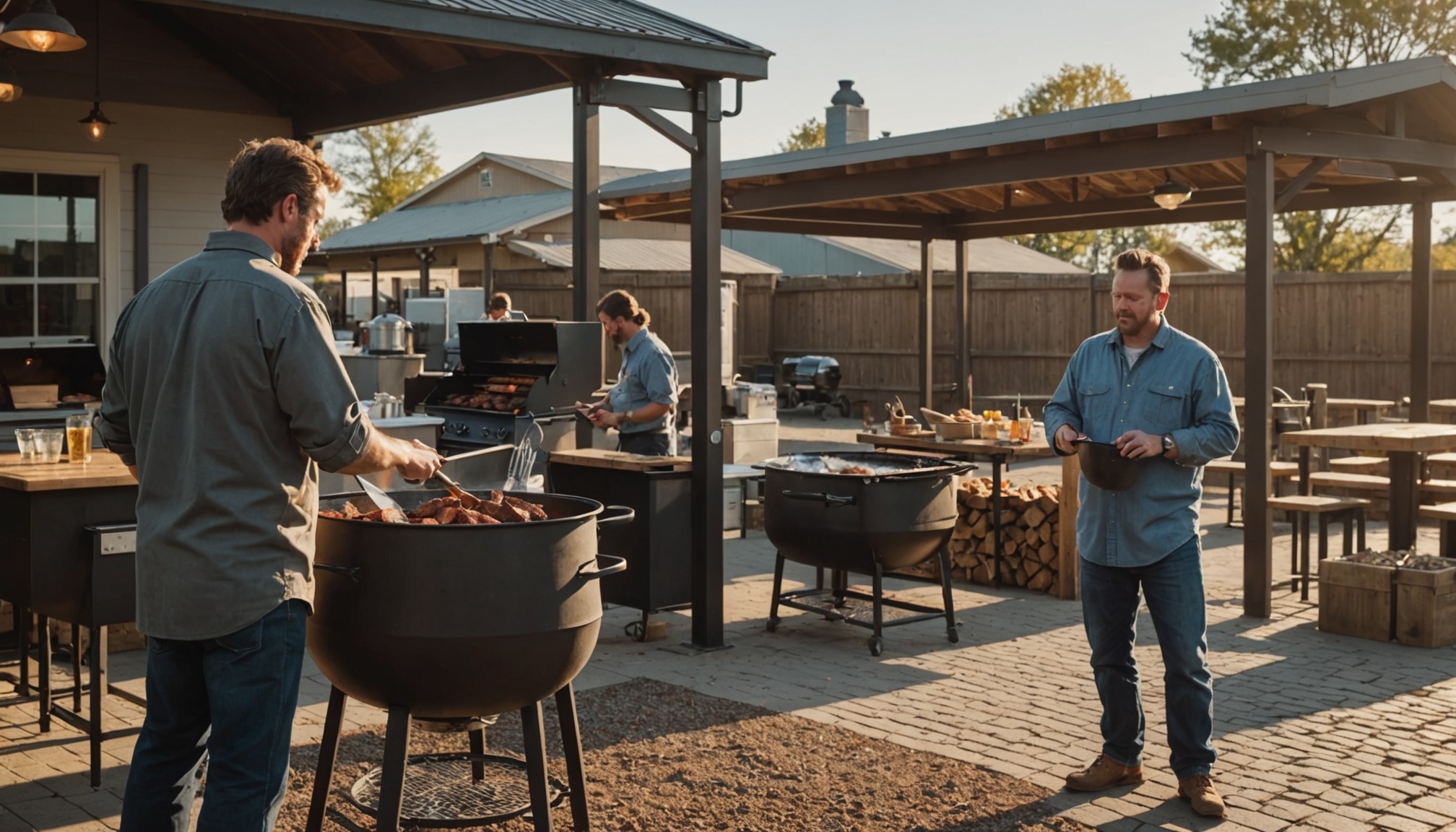
The site exists because menus compress a great deal into a few words. A barbecue or pizza menu can say “wood-fired”, “burnt ends”, “smoked” or “rub” and leave the reader to fill in the rest. Most people who order carefully learn these words from experience, one plate at a time, and that is a slow and expensive way to learn. I want to give readers enough of the vocabulary to order what they actually want, whatever restaurant they walk into. The point is not to send anyone anywhere in particular. It is to make the menu legible so that the reader chooses with their eyes open.
A drinks list often sits beside the food, so two bodies that publish reference material on craft beer are worth a look.
Further reading on craft beer
- New Hampshire Brewers Association, the statewide craft brewers’ group, and the home of the NH Beer Trail guidebook if you want to visit breweries around the state
- Brewers Association state craft beer statistics, which give brewery counts, production and economic impact for every state, New Hampshire included
How I decide what to recommend
Start with a reason
Every recommendation begins with a reason a reader can check, such as a method, a standard or a published rule. If I cannot name that reason, I do not make the recommendation. This keeps the reasoning in view and the opinion in second place.
Check it against a source
I then look for a body that publishes the standard behind the reason, such as a trade association, a sanctioning body or a set of regulations. Where one exists, I link to it so that you can read the rules yourself. Where none exists, I say that the point rests on general knowledge.
Say what it does not cover
Last, I say what the reason does not settle. A method can be done well or badly, and a standard does not tell you which. This site does not rank businesses, publish prices or hours, or list places to eat, so the reasoning stops where the menu and the cook take over.