The Journal: Dry Rub or Sauce, and What Each Tells You About the Meat
October 9, 2026
This dated note is from the owner of Marrow & Ladle Company, on one choice a reader meets on a smoked-meat menu: a dry rub or a sauce. It says what each one tells you about the food on the plate. It is written for a reader who has never ordered barbecue and wants to know what to ask at the counter. The position it takes is simple, and the reasoning is set out step by step so you can check it against your own plate. The strongest objection is answered in the middle, where a fair reader would expect it.
Taste the meat before the sauce
Most people decide what they want from barbecue by the sauce, because the bottle is on the table and the word on the menu catches the eye. I think the order is backwards. The sauce is the last thing that happens to the meat, and the rub is the first. A reader who asks what was rubbed on the meat learns most of how it will taste, under any sauce. That is why the rub is the better place to start when you want to know what you are eating. Starting with the bottle tells you about the bottle.
If you only ever taste the sauce, you have not yet tasted the meat.
A dry rub is a mix of salt, sugar, black pepper and often a little paprika or another ground spice. It is pressed onto raw meat hours before the cook, not brushed on at the end. The salt does most of the early work, dissolving into the surface and carrying seasoning deeper than a sauce can reach. The sugar darkens as the meat cooks and helps form the bark, the crust on the outside of a good pork shoulder or brisket. These are the first choices a cook makes about what the meat will taste of.
A sauce works from the outside and arrives late. A sauce with sugar in it will scorch over a hot fire, so cooks usually add it near the end or serve it on the side. A sauce tells you what the cook wants you to taste. A rub tells you what the cook did to the meat before anyone decided how to finish it. That difference is easy to test with one bite of plain meat before any sauce goes on.
How one pork shoulder goes from rub to plate
The choice between rub and sauce is easier to judge when you can see the steps. This is the sequence for a pork shoulder, the cut most menus mean when they say pulled pork. The order matters, because a sauce added too early changes what the later steps can do. Read the list once, and the question at the counter becomes whether each step was done properly.
- The rub goes on the raw shoulder the night before the cook, or the morning of it, so the salt has time to work into the surface.
- The shoulder goes on the smoker at low heat and stays there for hours. A reader cannot see this step on the plate, but it is where the bark forms.
- Once the surface has darkened and the meat is tender enough to pull apart, the cook decides how much sauce it needs, if any.
- Sauce, when it is used, goes on in the last minutes, or is stirred through once the meat is pulled, so its sugar does not burn.
- The meat rests before it is pulled or sliced, so the juices settle back into the meat rather than running onto the board.
- It is served with the sauce on the side or tossed through, and each of those is a different plate from the same shoulder.
The strongest case for sauce, and where it goes wrong
The best objection to a dry rub deserves a direct answer, so I will state it as strongly as I can. People who prefer sauce are often right that a dry cut can taste flat or chewy when it is cooked badly. The objection is that a rub asks you to trust a process you cannot taste until it is finished. A sceptical reader would say that a rub is a bet the cook makes on your behalf, and that is the objection I want to answer.
A rub is a shortcut, because a sauce is what keeps a dry cut from tasting dry.
The objection, in its strongest form
It is a fair point, and it is the reason to ask about the cut and the cook before you ask about the sauce. A lean cut cooked too fast will be dry under any sauce, and a sauce only hides that for one bite. A well-rubbed shoulder given enough hours has its own fat and moisture to carry the flavour. It is the thing the work is judged by.
So the test I would use at the counter is a short one. Ask what the meat was rubbed with, and how long it cooked, before you ask for the sauce. If the answers are specific, you can choose a sauce for taste rather than for rescue. If the answers are vague, the sauce is probably doing a job the rub should have done. Either way, that question tells you more about the plate than the bottle on the table will.
Why the rub is the position worth defending
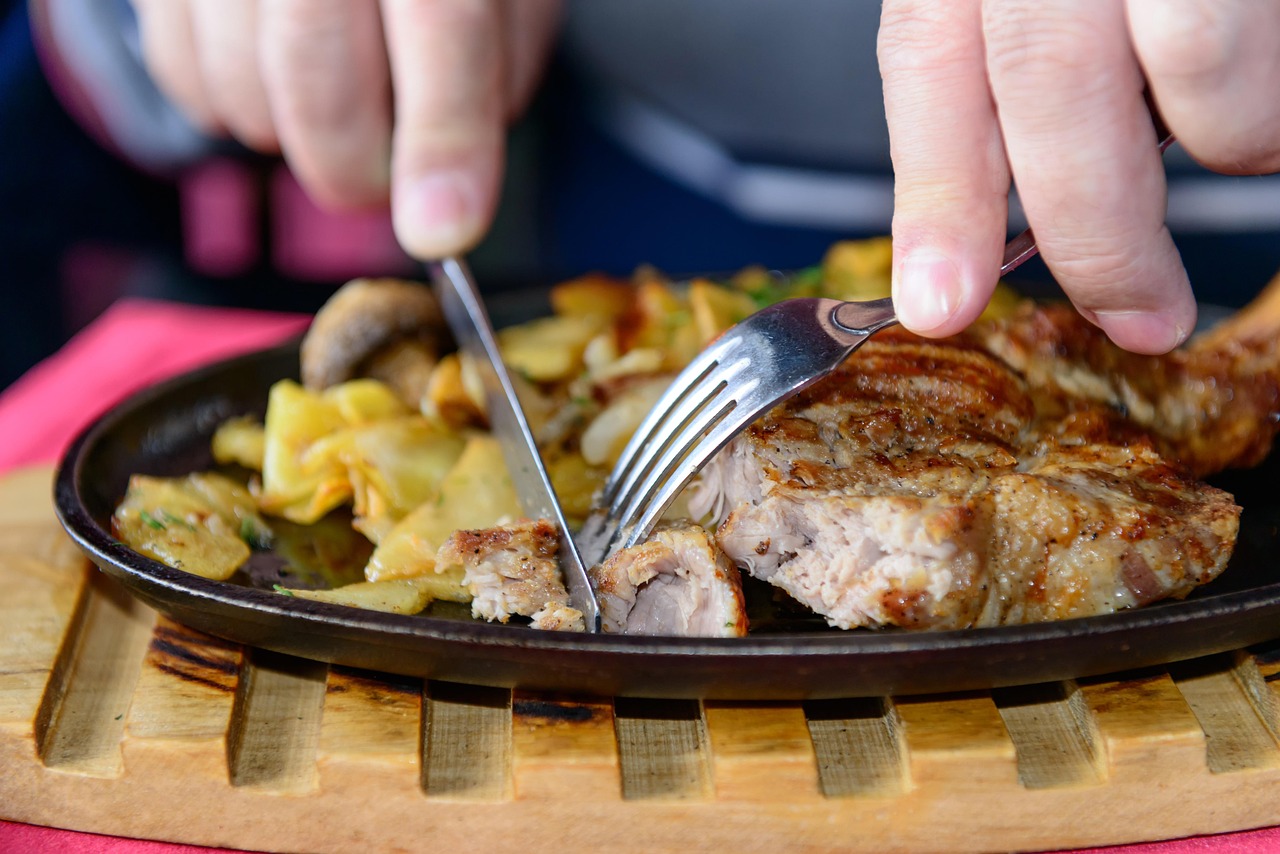
I take one position in this note, and it is that the rub comes first. A rub is a decision the cook makes before the fire is lit, while it can still change the whole plate. A sauce is a decision made afterwards, and it can only cover what is already there. This is not a claim that sauce is bad, only that it answers a later question. When a reader asks what a dish is, the answer should begin with what the meat was given before it went on the smoker. Only then does the sauce earn its place in the answer.
Some readers will prefer a sauce-forward plate, and that is a fair taste to have. What I am asking is that you judge the cook by the meat first, and only then by how the sauce is used. A plate that tastes right with little sauce is telling you something about the rub and the time on the smoker. A plate that needs a lot of sauce to taste right is telling you something else. Ask in that order and the answer will usually be clear.
The counts this note stands on
6
steps from rub to plate in the pork shoulder sequence above
2
points where a sauce is added, late in the cook or at the table
1
position argued in this note, with its strongest objection answered
What to ask before you order
Before you order smoked meat, ask two questions in this order. First, what was the meat rubbed with, and how long did it cook? Second, how is the sauce used, on the meat or on the side? The first answer tells you about the cook and the care that went into the plate. The second tells you about the taste you are being offered, and that is a matter of preference you can choose freely. A reader who asks in this order is less likely to be talked into a sauce that hides the meat.
A specific answer to the first question is a good sign. A cook who can name the salt, the sugar and the spice, and the hours on the smoker, has thought about the meat before the plate. That is the cook whose sauce you can trust to add something rather than cover something up. A vague answer is not proof of a poor plate, but it does mean you are ordering on trust.