Link Roundup: Reference Reading on Barbecue and Wood-Fired Pizza
This page gathers the reference reading I use when a menu word or a cooking method needs checking. Each source below is a body that publishes its own rules, statistics or training, and each entry says what that source will answer for you. The list is short on purpose, because a long list of links tends to hide the one that actually answers the question. I have kept to bodies with a public mandate or a published standard rather than sites that only write about food. Where a source covers the wider trade, I say so, so you know whether it is the right place to look.
Who this roundup is for
This roundup is for a reader who wants to go deeper than a menu description, whether the question is how a barbecue contest judges a rib or what a traditional pizza is meant to be. It is useful to someone planning a meal out, someone choosing a dish for a group, and someone who simply wants the vocabulary behind the words. It is not a ranking, and no source here is a recommendation of a place to eat. I would rather point you to a body that publishes its rules than offer my own opinion in their place. A reader who knows the rules is better placed to judge any plate, including one I have never written about. That is the only job this page is trying to do.
I would rather point you to a body that publishes its rules than to my own opinion on a plate.

How barbecue is judged
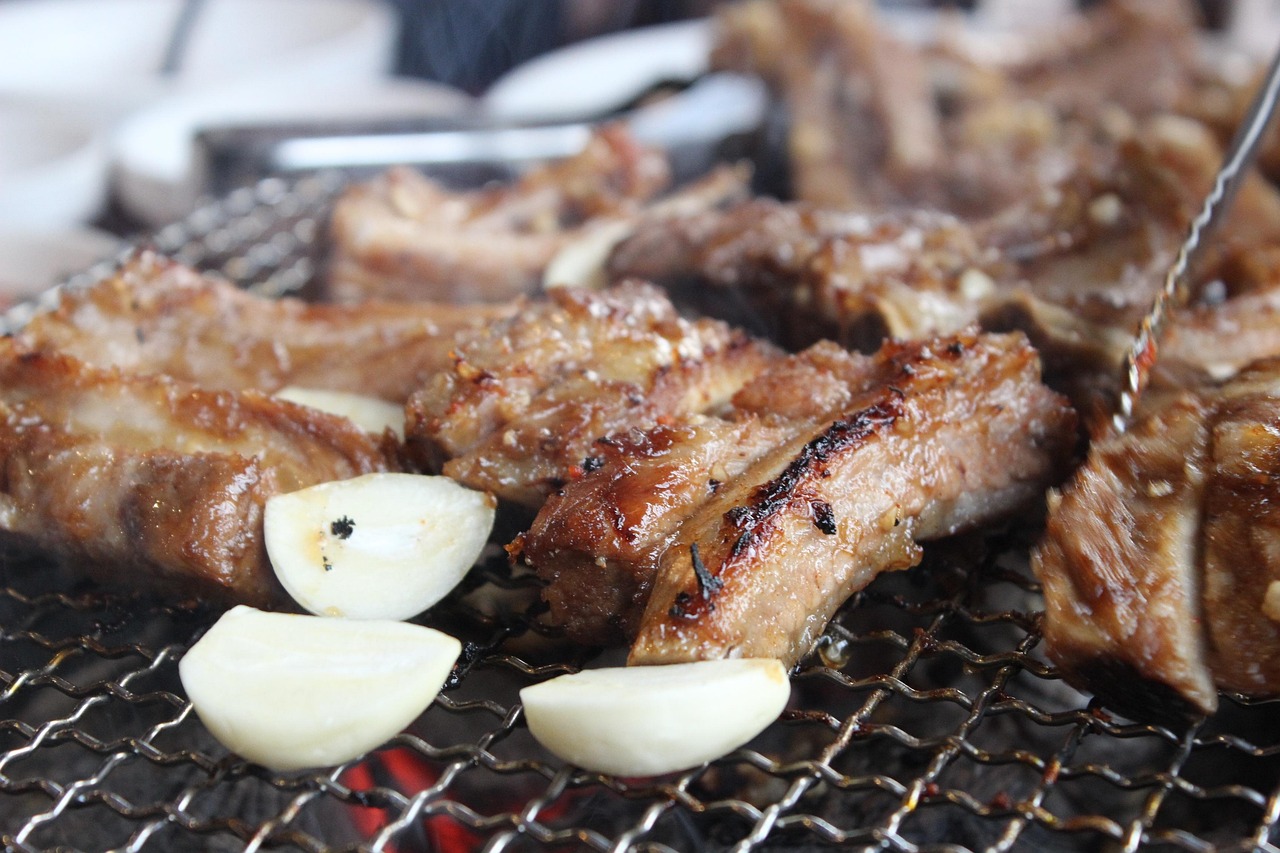
The Kansas City Barbeque Society is the best-known sanctioning body for competition barbecue. It publishes contest rules, runs judging and cooking classes, and keeps team standings. Those rules are written for the judges, not for diners, so they describe how meat is scored rather than how a restaurant cooks it. Reading them is a good way to learn what judges look for in appearance, tenderness and flavour. They also show that competition barbecue is a separate craft from a restaurant’s menu, with its own timing and its own vocabulary. If you want to know what it means when a cook says a rib was judged well, the society’s own rules are the place to read it in the judges’ terms.
Facts to look up
These pages are for checking a figure or a definition when you need it. Each one is maintained by the body that publishes it, so the numbers and wording may change after this page was written. Check the date on the page before you quote anything from it. Use the figure as the body states it rather than a rounded summary of your own. If a page you need is not listed here, it is because I could not confirm it when I wrote this roundup.
The New Hampshire Brewers Association is the statewide trade group for craft breweries. Its NH Beer Trail page sets out the state’s brewery guidebook, which gives discounts at participating member breweries. It is the place to start for a reader who wants to find breweries across the state rather than in one town.
The Brewers Association state craft beer statistics page covers brewery counts, production and economic impact for every state, New Hampshire included. The Brewers Association is the national trade body for independent craft brewers, so its figures are a good reference when a claim about the state’s scene needs backing. Use the page itself for the current numbers, because they change from year to year.
For the state’s restaurants, the New Hampshire Lodging & Restaurant Association is the official trade association for the hospitality industry. It runs Restaurant Week NH, ServSafe food safety training and the Stars of the Industry awards. Its site also covers membership, advocacy and education, which are useful if you want to know who speaks for the state’s restaurants. It is a trade body, so its pages describe the industry’s own programmes rather than judging any single restaurant.
Reading in order
If you are new to these menus, read the sources in this order. Start with the words, then check the standard behind a word, then ask the person taking your order the questions that standard makes possible. Each step is short, and each one makes the next easier to do well.
Start with the words
Read the glossary on the Start Here page first, because it explains the terms a menu uses before you need an outside source. Once a word is clear, a menu becomes much easier to read. Come back to this page when you need the standard behind a term.
Check the standard
The Associazione Verace Pizza Napoletana publishes the regulations for a traditional Neapolitan pizza. Its rules are the reference for what a wood-fired margherita is measured against. Read them to understand the method, not to judge any particular pizzeria.
Ask the right question
Once you know the standard, ask the person serving you whether the pizza is made to it, or whether the fire or the wood is the point of the dish. A straight answer tells you more than any ranking. If the answer is vague, that is worth noticing before you order.