Start Here: the words on a pizza and barbecue menu
This page is for anyone who has read a pizza or barbecue menu in southern New Hampshire and could not tell what the words meant. It explains them in plain language, one group at a time. Each term ends with the choice it changes, so you can order for your table without guessing. Many of the words describe a method, and the method is what changes the taste. Read the group that matches what you are looking at, or read straight through once.
I run this site as an independent guide. Nothing on it is written to sell you a particular plate. What I can do is explain the words and say when each one matters. A reader who knows the words can ask the right question at the counter. New to all of this? The Journal takes one choice at a time, and Recommended covers what to look for before you order.
A menu word only earns its place if it changes what arrives on your plate. So every term below is tied to a choice you can make.
Read the plate before the menu
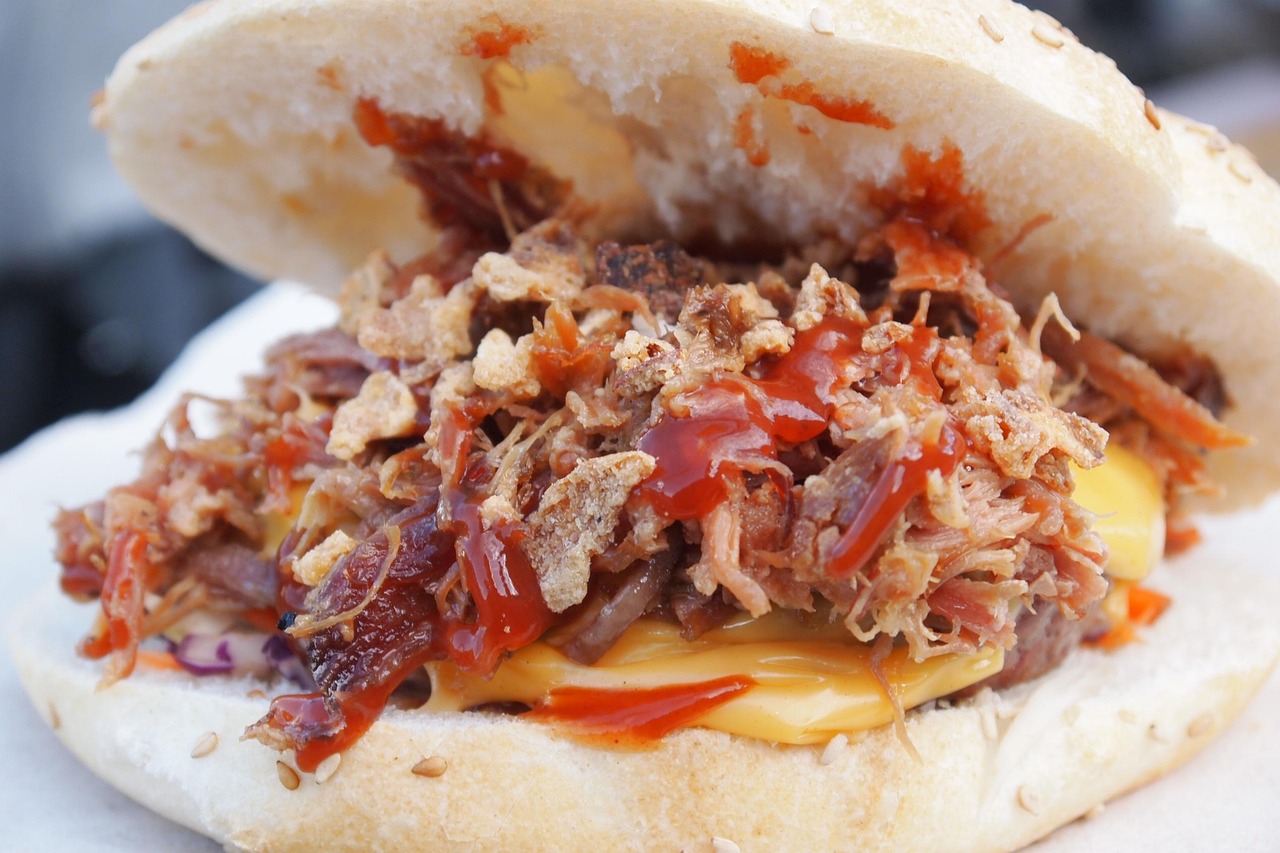
A single sandwich shows most of the vocabulary in one bite. The cut of meat, the sauce, the slaw and the bun each change the taste. Read the words below and the sandwich will make more sense.
Questions people get stuck on at the counter
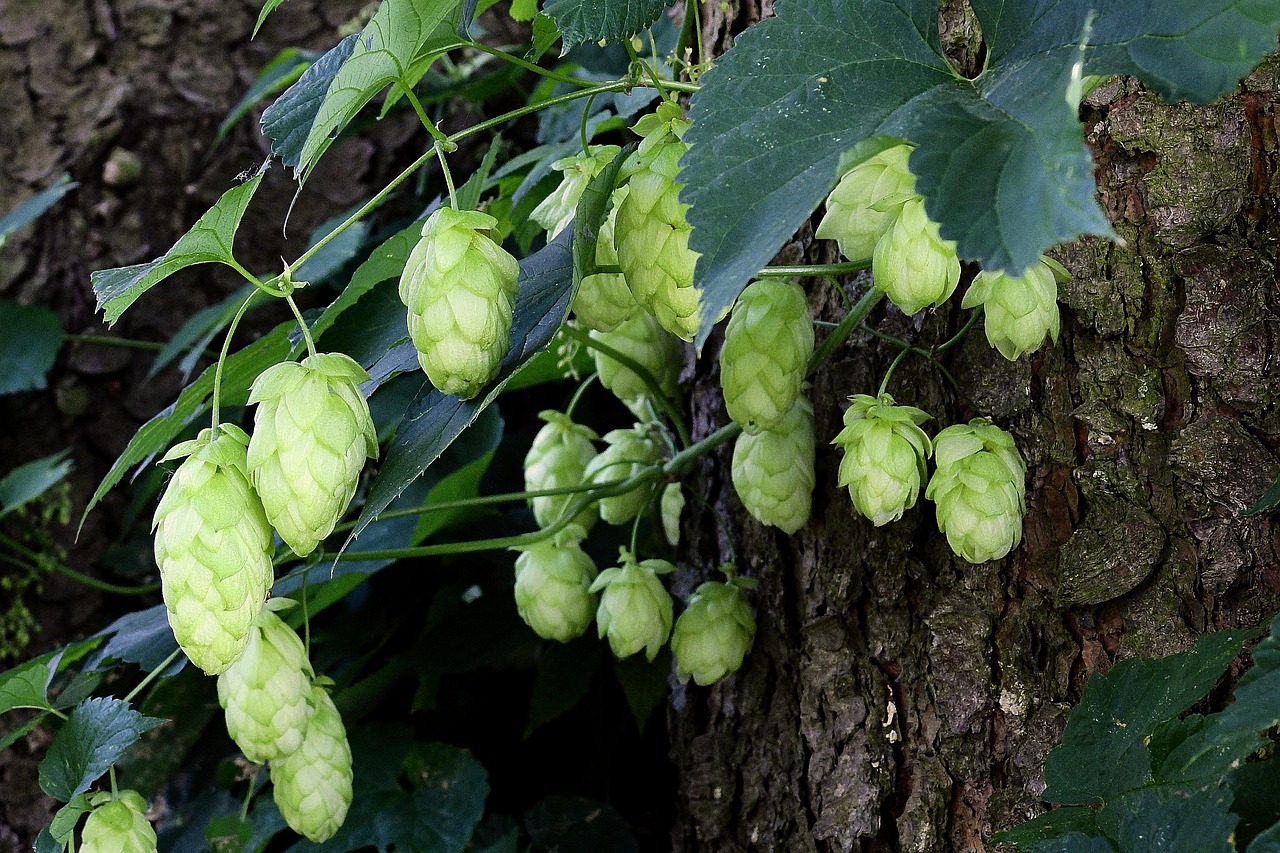
Hops give beer its bitterness and aroma. The beer words below depend on them. So a short look at hops is a good place to start.
Is a wood-fired pizza the same as an oven-baked one?
Not quite. Wood-fired means real wood flame and smoke reach the food. That gives a blistered, slightly smoky crust. An oven-baked pizza can still be good, but it tastes different, so order by what you want.
Why is there a pink ring in my brisket?
That is the smoke ring, a pink band just under the outside of the meat. It shows that smoke got in. It does not show whether the meat is raw. Judge the meat by how it pulls apart, not by the colour of the ring.
Should I ask for the sauce on the side?
Ask when you want to taste the smoke and the rub first. A sauce on the side lets you add as much as you like. Many people try a bite plain, then decide.
The words on a menu, grouped by what they describe
The fire and the oven
Wood-fired
Food cooked by real wood flame and smoke, not only by an electric or gas element. The smoke and the heat change the crust and the outside of the meat. When it matters: if you want a plainer taste, ask whether the kitchen uses wood for that dish.
Blistered crust
Small dark spots where very hot, fast baking has charred the dough. Some people like the bitter edge and others do not. When it matters: if you dislike char, say so before you order.
Low and slow
Meat cooked at low heat for hours, which softens its tough tissue. Most barbecue works this way. A long-cooked cut is usually more tender than a rushed one. When it matters: ask how long the meat went on if texture is your priority.
The meat, the cut and the rub
Brisket
A large cut from the beef chest, sold as the leaner flat or the fattier point. The two parts taste and cook differently. When it matters: ask which part you are getting if you want rich bites or lean slices.
Burnt ends
Cubes cut from the fatty point, smoked again with sauce until dark and sticky. They are rich and intense. When it matters: a small order goes a long way, so start small.
Pulled pork
Pork shoulder cooked until soft, then shredded by hand. It stays moist and holds sauce well. When it matters: it is a common choice for a sandwich.
Spare ribs and baby backs
Spare ribs are larger and fattier. Baby backs are smaller and leaner. When it matters: pick spares for more meat and chew, baby backs for a lighter plate.
Rub
A dry mix of spice and salt pressed onto meat before it cooks. It forms the crust called bark. When it matters: if you want the meat’s own taste, eat a bite before adding sauce.
The sauce, the sides and the drinks
Sauce styles
Barbecue sauce varies by region. Some are vinegar-sharp, some sweet and tomato-based, and some mustard-based. When it matters: a sharp sauce cuts fat, and a sweet one softens the smoke.
Slaw
Shredded cabbage in a dressing, cool and crisp against rich meat. Some are vinegar-based and some are creamy. When it matters: if you dislike mayonnaise, ask what the dressing is.
IPA
India pale ale, a beer with strong hop bitterness and aroma. Its bitterness cuts through fat. When it matters: it is a common match for brisket and ribs, so it suits a fatty plate.
Amber ale
A malty beer with toasted, caramel notes and softer bitterness. It sits well beside sweet sauces and pulled pork. When it matters: it is gentler if IPA tastes too sharp to you.