Recommended first orders on a pizza and barbecue menu
This page sets out what a first-time reader can order, or look for, on a pizza or barbecue menu in southern New Hampshire. It also lists the questions worth asking before anything is chosen. I do not rank places here, because a ranking would need visits I have not made. Instead the page gives criteria and trade-offs, the things that make one first order a safer choice than another and the reasons why. Each criterion can be checked against the menu in front of you, which is the point of the exercise.
If you cannot say what you want in one sentence to the person taking the order, the menu has not done its job yet.
A first order should be something you can describe in plain words, and a good menu makes that easy. Look for a dish that names its cut or its base, such as brisket, ribs, or a pie with a named crust. Check that the cooking method is written down, because smoked and grilled mean different kitchens and different waits. Ask what the sauce is and where it sits, since a sauce on the meat and a sauce on the side give two different plates. If the menu says wood-fired, ask what that means in practice, because the word is not always explained. If the menu is describing something real, the answers will come quickly and match the page.
The trade body behind the state’s restaurants
1919 is the year the state’s hotel owners first organized, according to the New Hampshire Lodging & Restaurant Association’s own homepage. That association is the statewide trade body for hospitality, and it now covers restaurants as well as lodging. Its work includes Restaurant Week NH, ServSafe food safety training and the Stars of the Industry awards, as its homepage describes. The date is worth knowing because it shows how long the trade has been organized in the state. A reader who wants the source can check the association’s site directly.
Read the board before you order
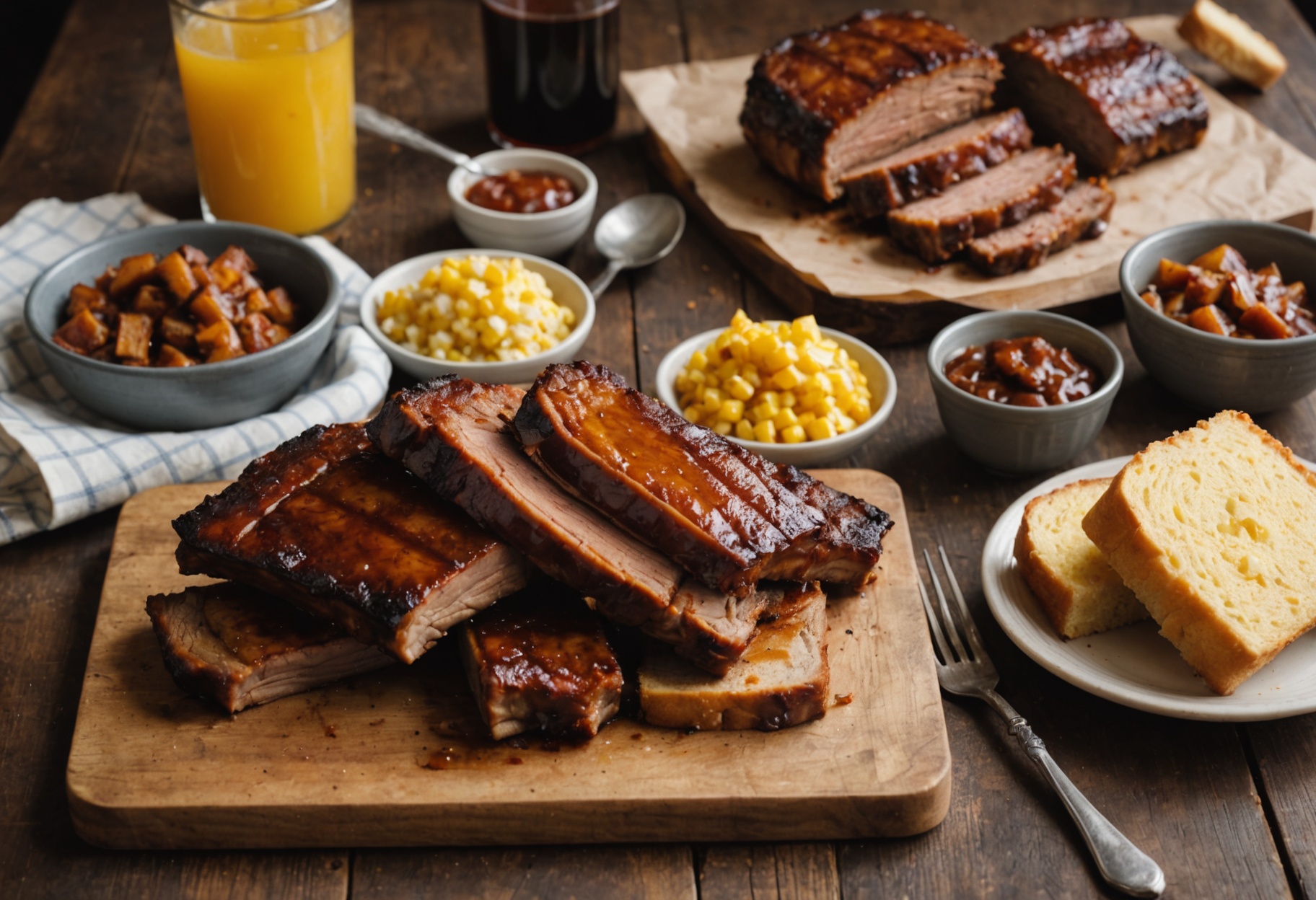
A board like the one pictured lays several cuts side by side, so you can compare how each was cooked. Start with the cut you know least about, and ask how it was cooked, what it was rubbed or sauced with, and whether it comes sliced or pulled. A kitchen that can answer those three questions in a sentence is describing what is on the board. Ribs usually need a different answer from brisket, because the bone and the bark change how the meat is served. Cornbread and the sides are simpler, so they show quickly whether the menu is clear about what comes with the plate.
Questions to ask at the counter
A server can answer most of these questions quickly if the kitchen is clear about its food. If the answer is vague, the menu is not telling you enough, and a simpler first order may serve you better. Two or three clear answers are enough to choose a dish with confidence. A first order should also suit the table, so say if you are eating with children or with someone who dislikes heat. Ask which dishes can be made milder, and whether a smaller portion of the same dish is available. The aim is an order you can explain, not one that impresses.
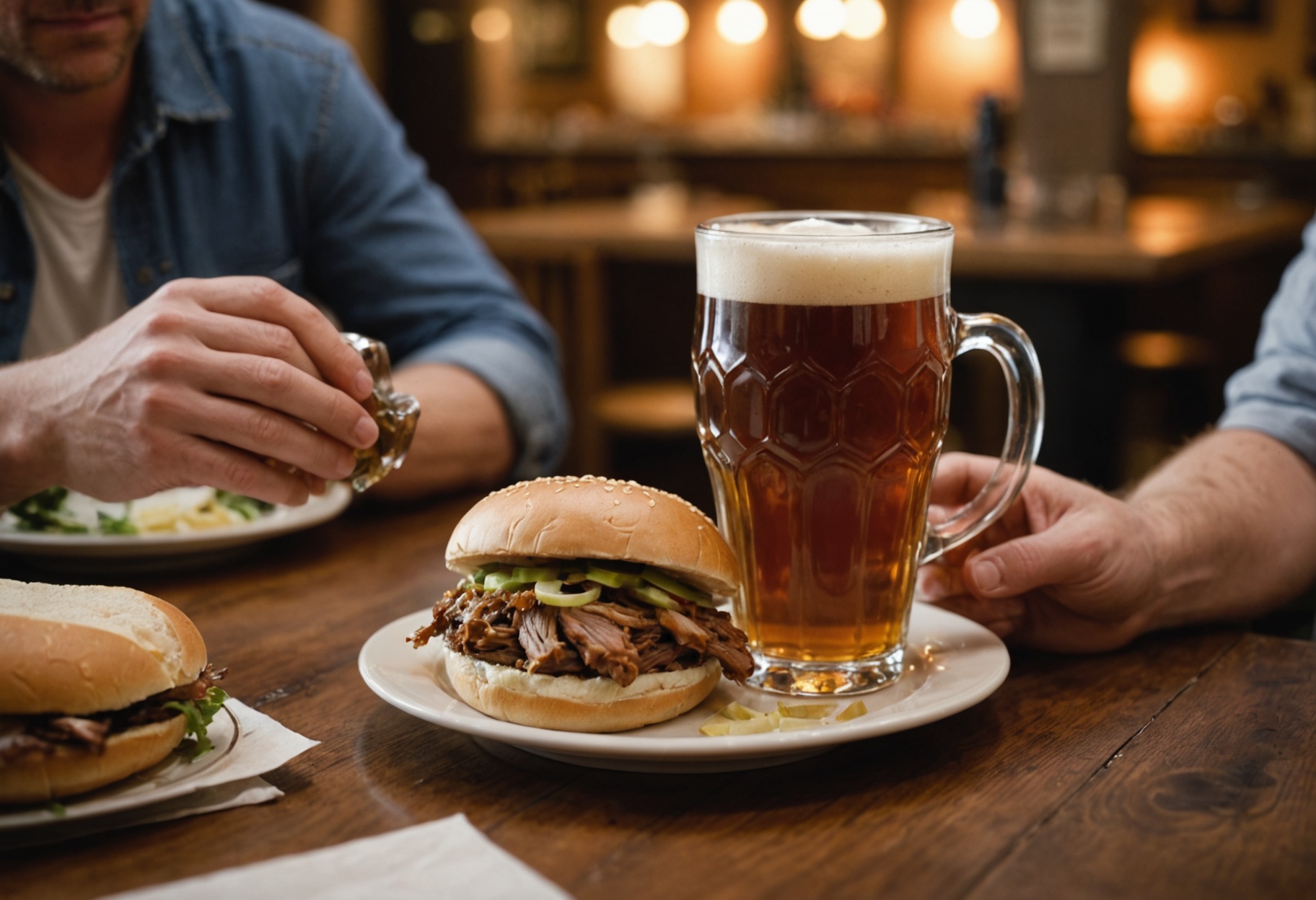
How long was the meat cooked, and is it smoked or grilled? Is the sauce on the meat or on the side? Does the pizza come from a wood oven, a gas oven or an electric one? What comes with the main dish, and what costs extra? A server who knows the kitchen should be able to answer these in a sentence each, and a clear answer is a good sign for a first order.
Additional resources
- Kansas City Barbeque Society: the sanctioning body for competition barbecue, with contest rules, judging classes and team standings for anyone who wants to see how serious barbecue is judged
- Associazione Verace Pizza Napoletana: the Naples association that publishes the rules for a traditional Neapolitan pizza, useful for knowing what a proper wood-fired margherita is measured against